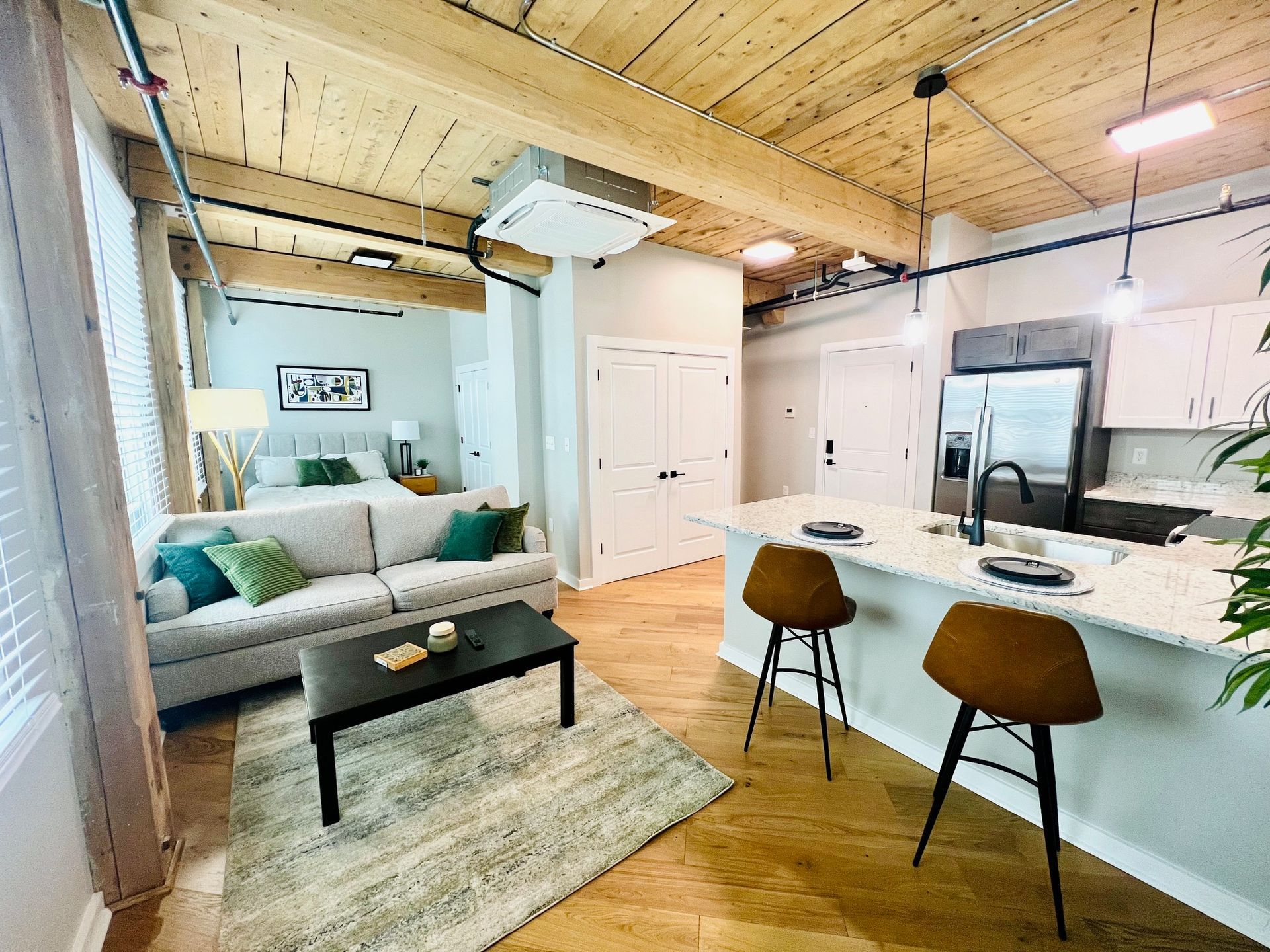
Apartments with Hardwood Floors in Worcester, MA
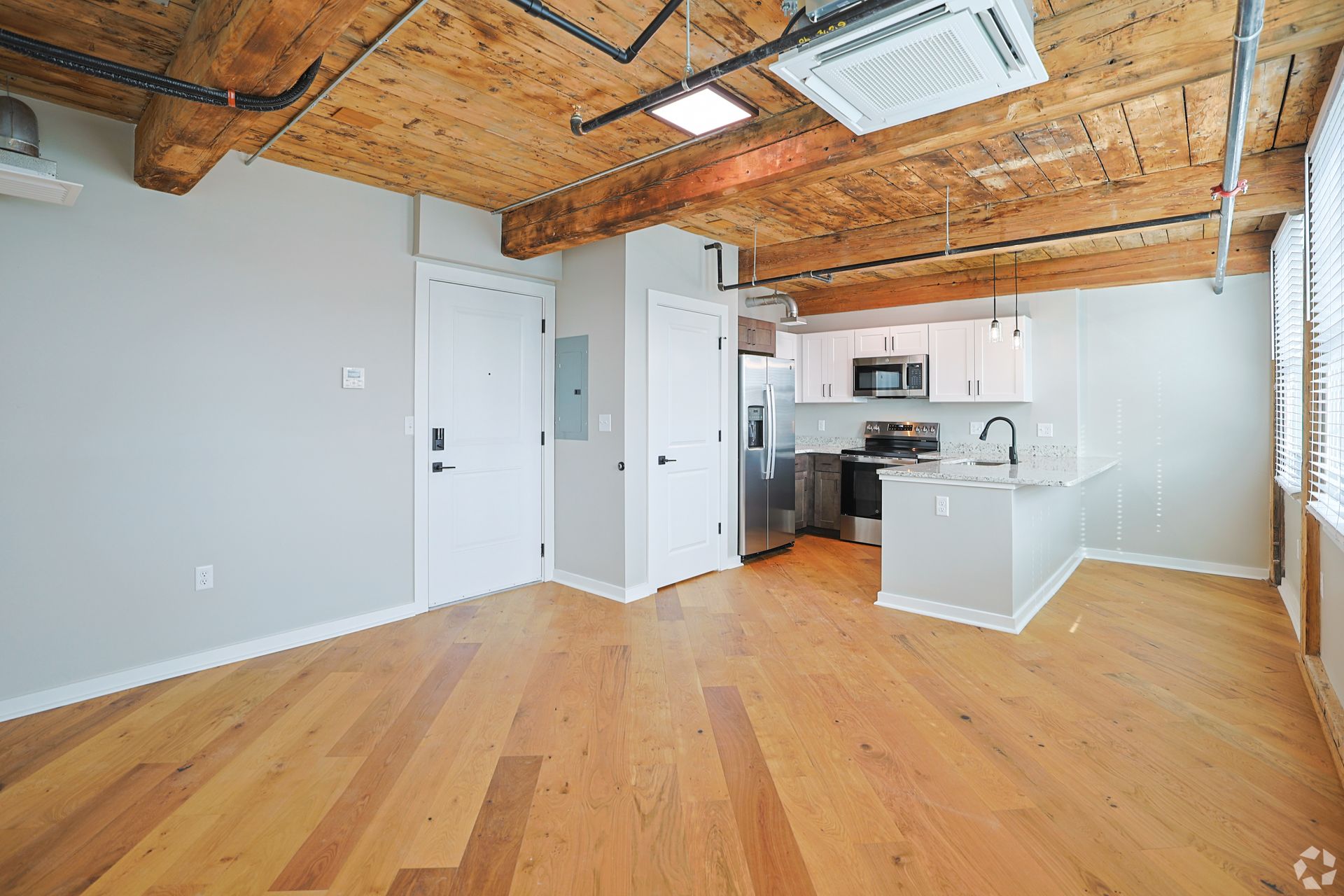
Floors with more than a century behind them
Plenty of apartments advertise “hardwood floors” and deliver a printed vinyl plank that mimics the look. The hardwood at The Reeds is the real thing, and it comes with a history: the building went up in 1865, and its floors are part of a structure that has been standing for more than a hundred and sixty years.
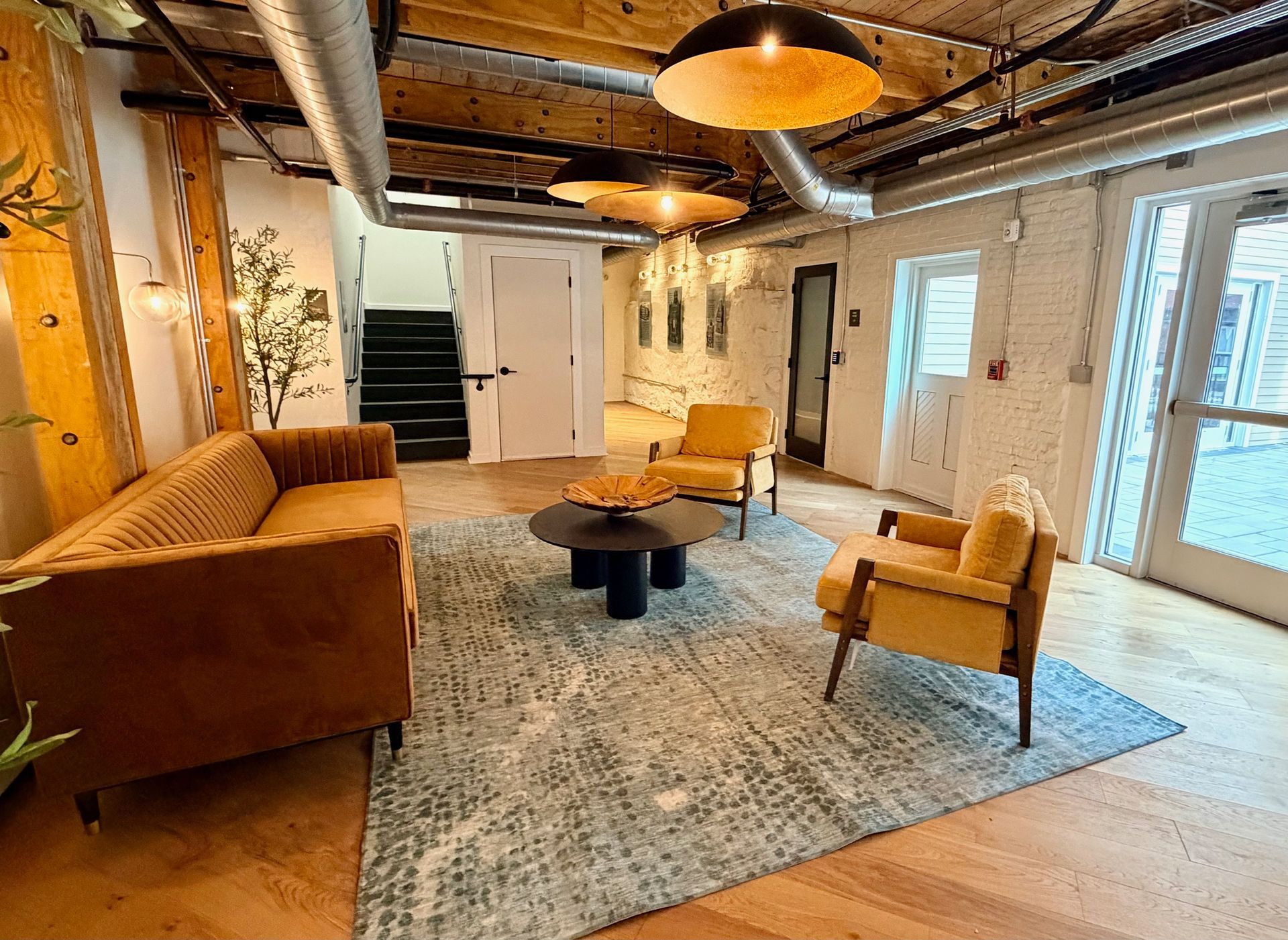
That’s not a small distinction. Real hardwood underfoot — running beneath exposed timber beams and original mill columns — gives an apartment a warmth and a sense of place that a laminate simply can’t reproduce.
Why historic Worcester buildings have hardwood
In the 19th century, timber was locally abundant, durable, and cost-effective, so it was the natural choice for the floors of Worcester’s mills, factories, and multi-family homes. The city’s industrial economy was built on exactly this kind of construction — manufacturing powered by the Blackstone River, housed in sturdy brick-and-timber buildings meant to last. The wood used was typically a hardy species like white oak, red oak, or maple, and in some of the oldest structures, pine or even American chestnut.
When a building this old is brought back to life, its floors take one of two paths. Original floors are the historic boards themselves, professionally sanded and refinished to bring back the grain. Restored floors replace boards too far gone to save, matched to the historic look while adding stability for a modern, climate-controlled home. Either way, what you walk on carries the character of the building — the tighter grain, subtle color variation, and quiet imperfections that only come with age.
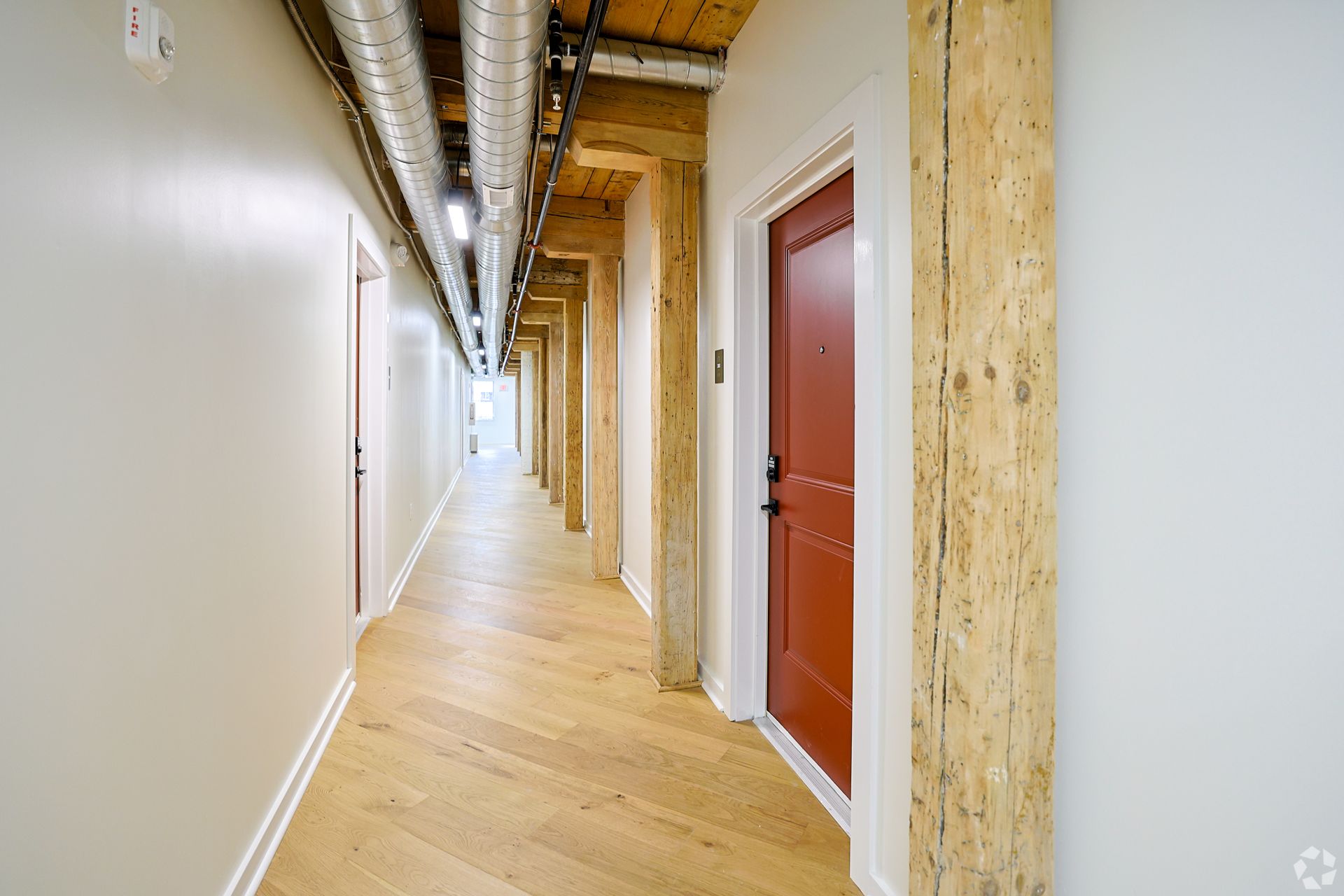
Original character, modern living
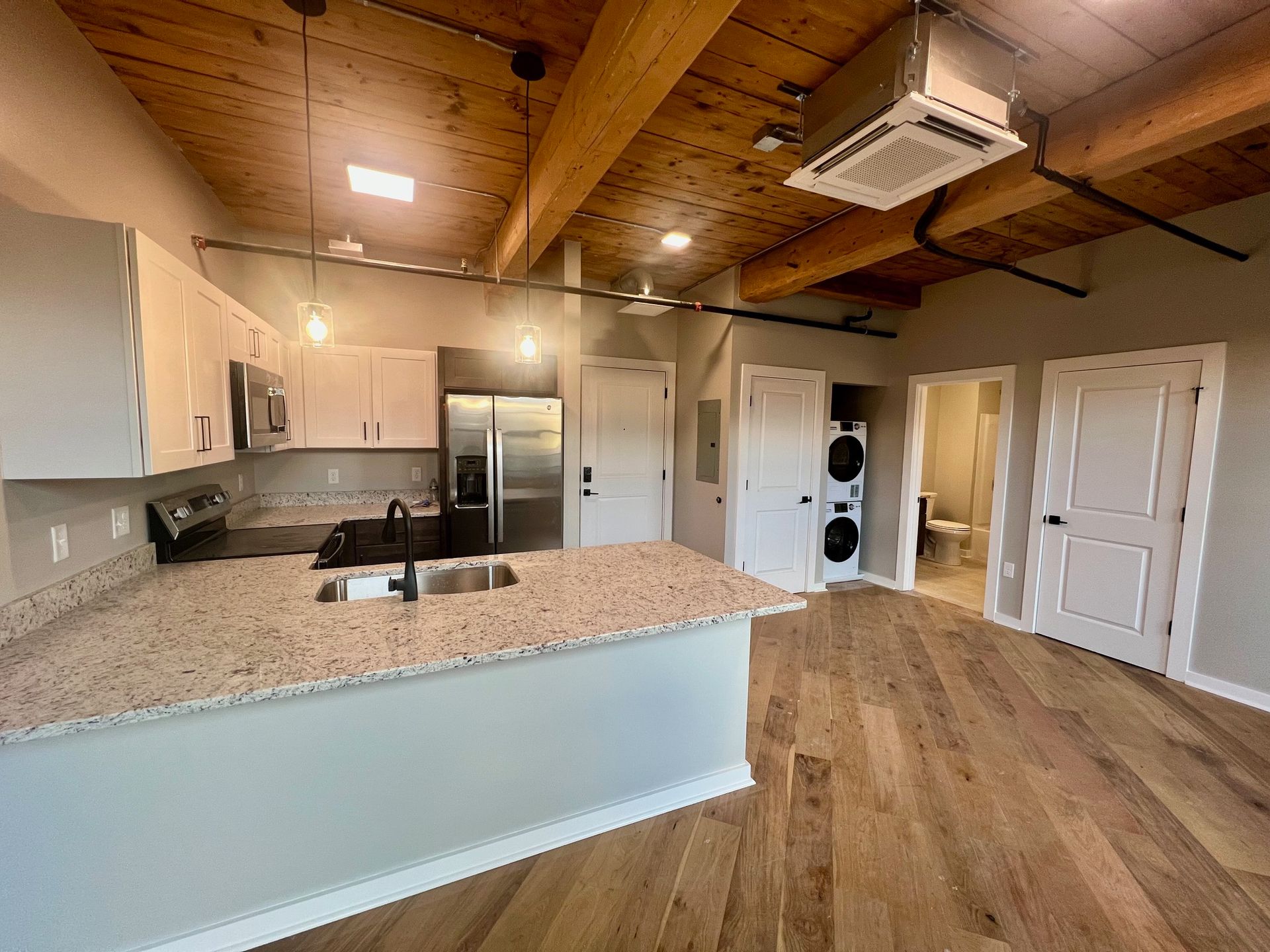
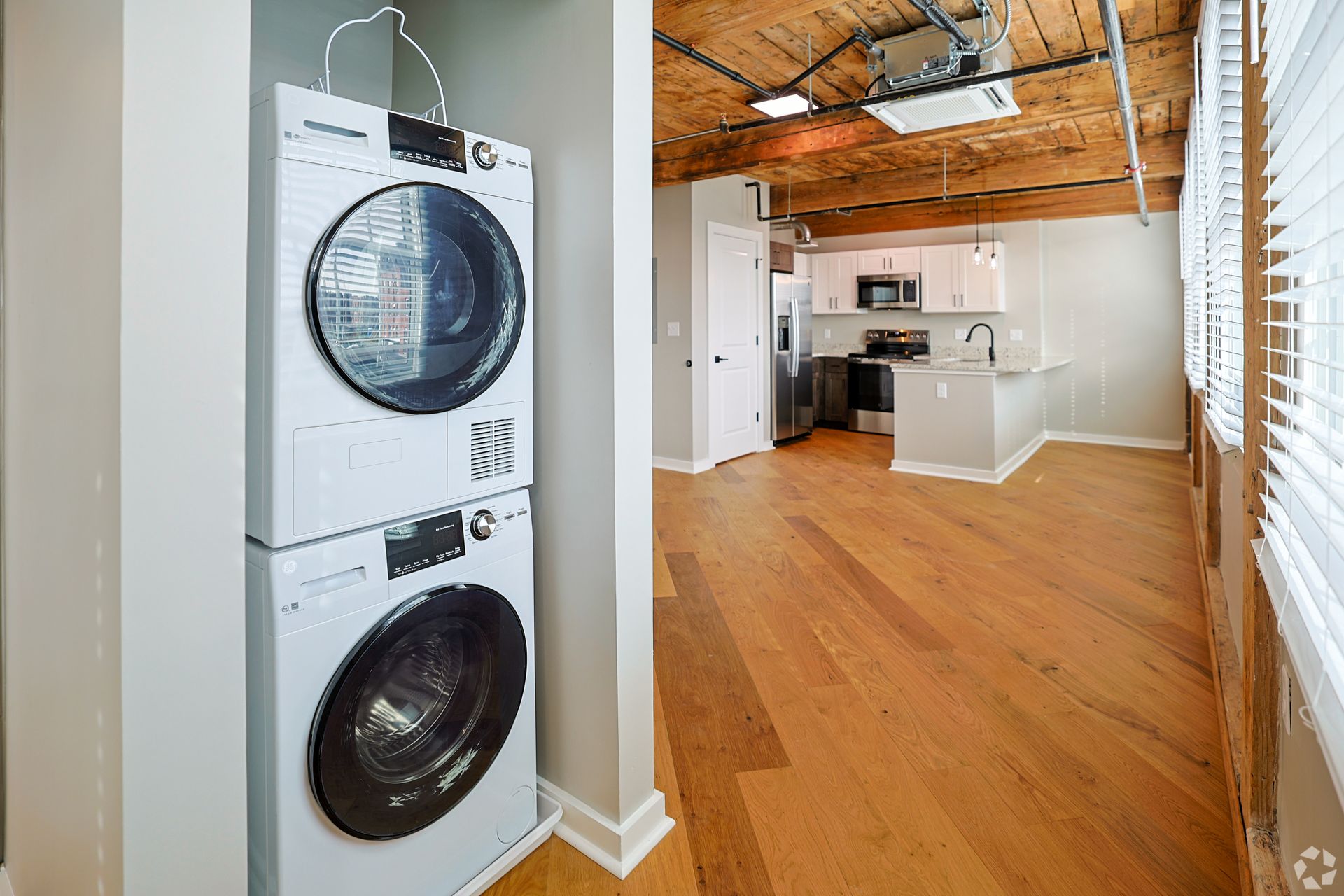
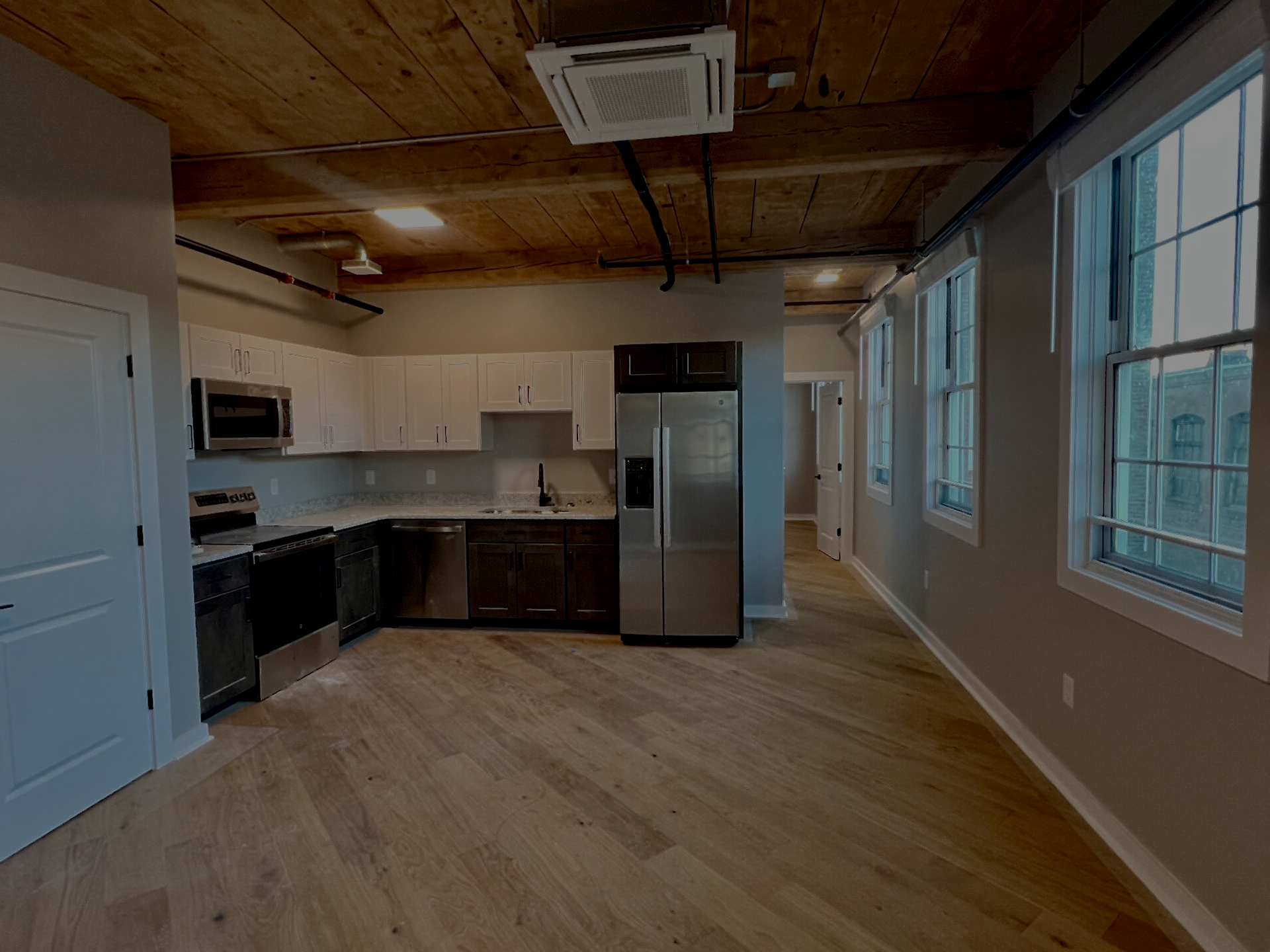
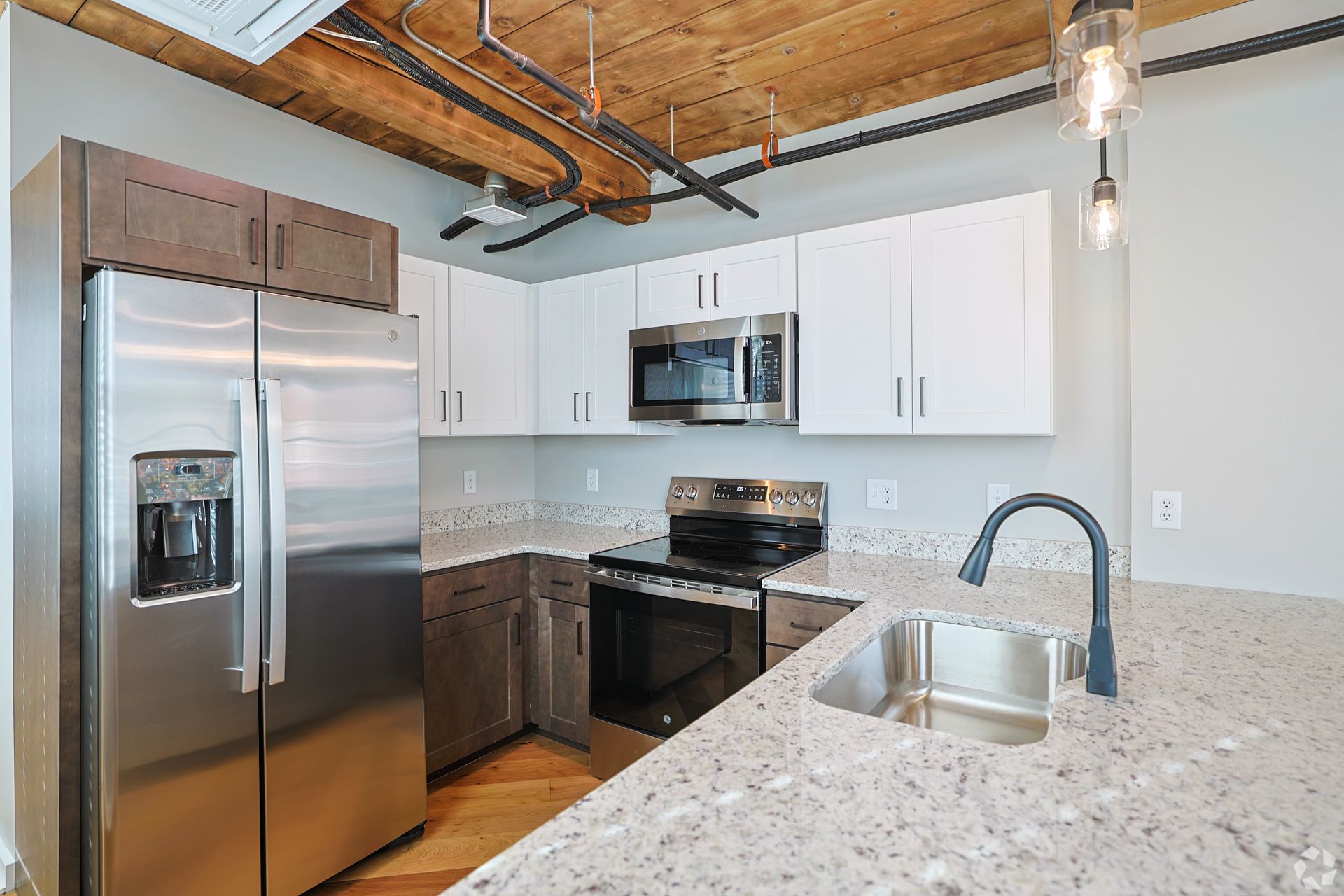
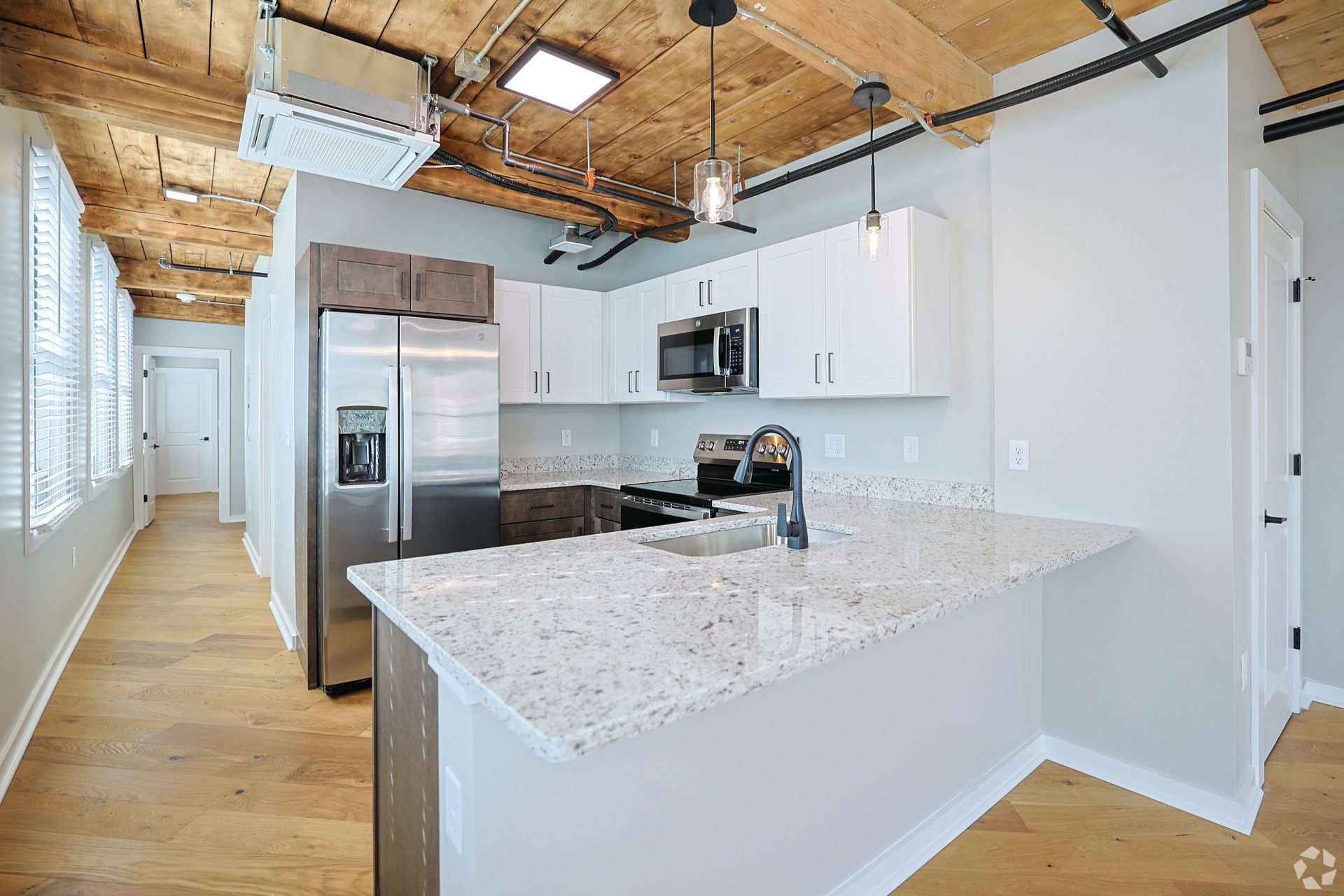
The best part of a well-done mill conversion is that you don’t have to choose between history and comfort. At The Reeds, the hardwood runs through open loft layouts, under exposed timber ceilings, and up to renovated kitchens with granite countertops and stainless-steel appliances. The raw and the refined sit side by side: century-old wood columns a few feet from a modern range.
Hardwood, allergies, and pets
Beyond looks, hardwood has a practical edge over carpet. Because it’s a smooth, hard surface, it doesn’t trap dust, pet dander, or other allergens the way carpet fibers do, and it wipes clean easily — a real advantage if anyone in the home is sensitive. It pairs well with pets, too: dense hardwood handles day-to-day life with a dog or cat, and a couple of area rugs in high-traffic spots add traction and protect the finish. (If you’re moving in with a pet, our guide to pet-friendly living at The Reeds covers the rest.)
Living well with hardwood floors
Hardwood rewards a little care, and none of it is difficult. Felt pads under furniture legs prevent scratches, a dry microfiber mop handles everyday dust, and a pH-neutral wood cleaner keeps the finish bright. The main things to avoid are steam mops and standing water — wood and excess moisture don’t mix — along with harsh, generic all-purpose cleaners. Follow those few habits and the floors look as good in year three as they did on move-in.
Set in a restored 1865 mill
The Reeds occupies the original Taylor & Farley Organ Company building, constructed in 1865 and listed on the National Register of Historic Places. It’s one of the Worcester buildings given a second life through adaptive reuse — the same movement turning the city’s old mills and factories into modern homes while preserving their masonry, timber, and character. The hardwood floors are one of the clearest threads connecting the building’s past to the way people live in it now.
Frequently asked questions
Are hardwood floors good in an apartment?
Yes. Hardwood is durable, easy to clean, and better for allergies than carpet because it doesn’t trap dust and dander. In a historic building it also adds warmth and character that manufactured flooring can’t match.
What is the difference between original and restored hardwood?
Original floors are the building’s historic boards, sanded and refinished in place. Restored floors replace boards too damaged to save, matched to the historic look while adding stability for modern living.
What kind of wood are old Worcester floors made of?
Historic buildings in the area were typically built with durable, locally sourced species — commonly white oak, red oak, or maple, and in the oldest structures, pine or American chestnut.
Are hardwood floors okay with pets?
Yes. Dense hardwood holds up well to pets, especially with trimmed nails and a few area rugs for traction in high-traffic areas. Hardwood is also easier to keep free of pet dander than carpet.
How do I care for hardwood floors in a rental?
Use felt pads under furniture, a dry microfiber mop for dust, and a pH-neutral wood cleaner. Avoid steam mops, standing water, and harsh all-purpose cleaners, and use area rugs in busy spots.
The Reeds is a boutique apartment residence in a restored 1865 factory building, listed on the National Register of Historic Places. Studios, 1 & 2 bedroom apartments are now leasing.
Schedule a Tour